

FOR MEN ONLY - WHAT YOU NEED TO KNOW ABOUT VEIN DISEASE
Men: Heavy, Swollen, Aching Legs May Not Be “Just Aging.”
If your legs feel heavy, tired, achy, crampy, restless, itchy, or swollen (or the skin around your ankles is changing), your veins may be part of the problem. Vein911 will help you get clear answers and a practical plan so you can feel great again.
800+ 5 Star Reviews
Award-Winning, Internationally Recognized Care
Same/Next-Day Appointments
Minimally Invasive, No Downtime
800+ 5 Star Reviews
Award-Winning, Internationally Recognized Care
Same/Next-Day Appointments
Minimally Invasive, No Downtime
Here Because You Care About A Man In Your Life?
Send him this page or help him schedule an evaluation.
The Leg Problems Men Learn to Live With
Men often blame these symptoms on age, work, exercise, or being on their feet all day. They may also be signs that the veins in the legs are not moving blood efficiently.

Heavy or Tired Legs
Legs that feel weighed down, especially later in the day.
Aching or Cramping
Soreness, night cramps, or discomfort after standing or sitting.

Swollen Legs or Ankles
Tight shoes, sock marks, or swelling that increases throughout the day.

Itching, Tingling & Burning
Uncomfortable nerve-like leg sensations

Skin Discoloration
Darkened or inflamed skin on legs
Throbbing or Restless Legs
Pulsing, restlessness, or difficulty getting comfortable at night.
Do Not Wait on Skin Changes or Wounds
Brown or red discoloration, hard or thickened skin, bleeding veins, or an open sore near the ankle should be medically evaluated.
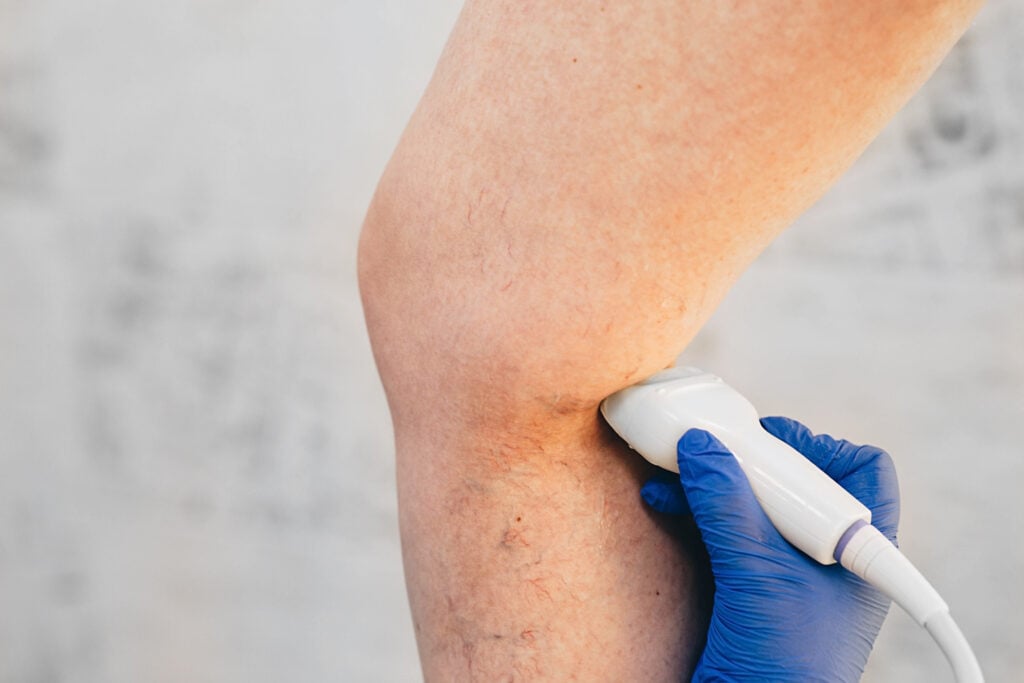
No Bulging Veins? You Can Still Have a Vein Problem.
Vein problems can develop below the surface. You may experience heaviness, swelling, aching, cramping, itching, restless legs, or ankle changes without seeing large varicose veins.
- Symptoms can occur without obvious veins on the skin.
- Your doctor may recommend a noninvasive duplex ultrasound to examine how blood is moving through your leg veins.
- Clear answers help determine the appropriate next step—not guesswork.
We Understand Why Men Put This Off
You are busy. You may assume the problem comes from age or hard work. You may also worry that seeing a vein specialist means surgery, pain, downtime, or an unexpected bill.
An evaluation is simply the first step toward clear answers. It is not a commitment to treatment.
What Men Tell Themselves
“My legs are just tired.”
“I stand all day.”
“I’m getting older.”
“It will probably go away.”.
What Men Worry About
Surgery, Pain, Missing Work, Recovery Time, Cost, and Insurance.
What To Do Next
Start with a doctor evaluation. We'll explain what contributes to your symptoms & what options make sense for you.
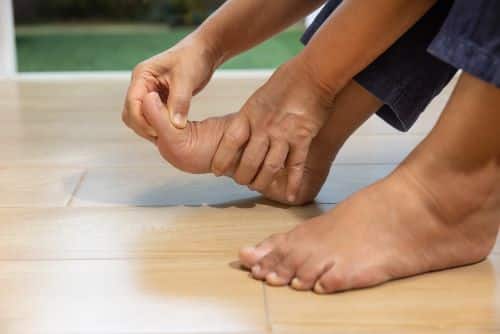
Your Ankles May Be Sending an Early Warning
Changes around the ankles can occur when pressure builds in the leg veins. These changes should not be dismissed as dry skin, age spots, or irritation from socks.
Itching or Burning
Persistent irritation around the ankles or lower legs.
Brown or Red Discoloration
Skin color that gradually darkens or changes over time.
Hard, Thick, or Irritated Skin
Skin that becomes firmer, drier, tender, inflamed, or easily injured.
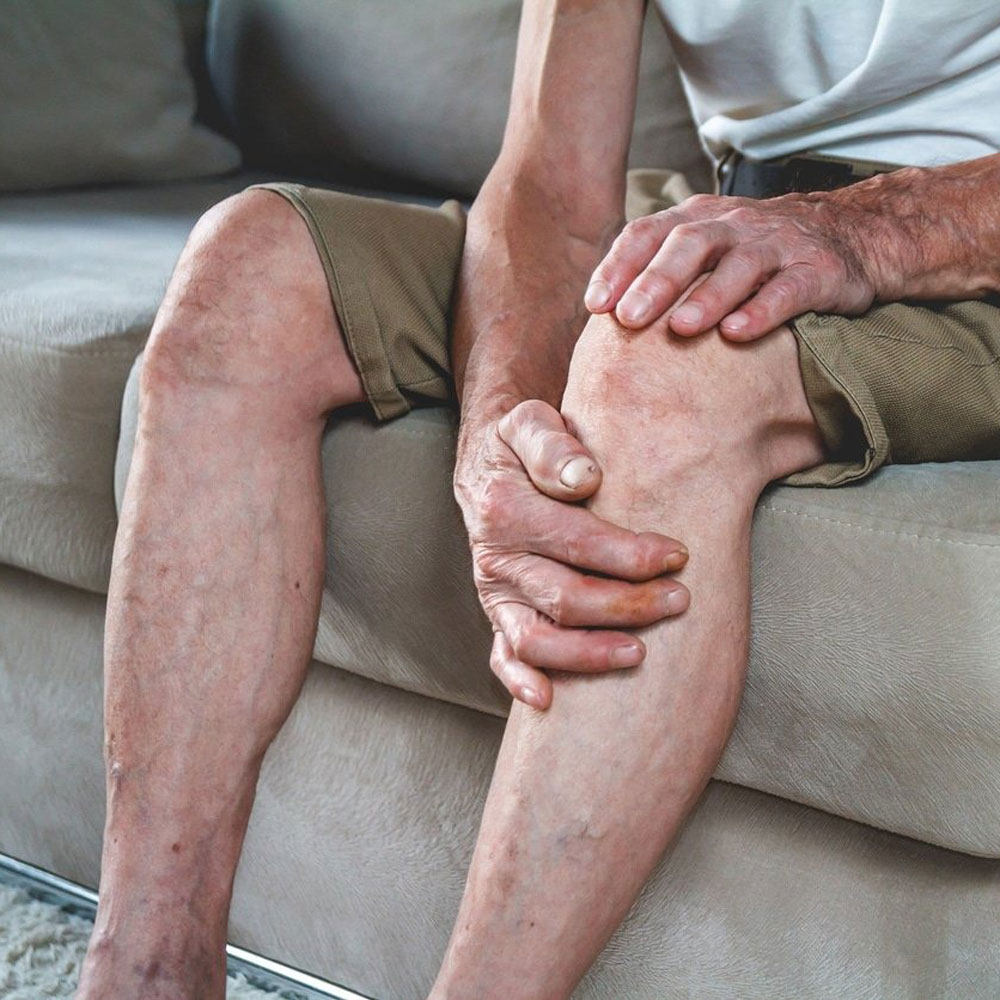
A Wound Near the Ankle That Will Not Heal Needs Answers
A slow-healing or recurring wound near the ankle or lower leg may be related to poor circulation, including underlying vein disease.
Treating only the surface wound may not address what is preventing it from healing.
- Find out what may be contributing to delayed healing.
- Evaluate whether an underlying vein problem is present.
- Build a plan that addresses both the wound and its source when clinically appropriate.
Why Men Develop Vein Problems
Vein disease is not a women’s condition. Risk can build gradually through family history, age, work, health conditions, and previous injuries.
Family History
Vein problems can run in families.
Age
Vein valves can weaken over time.
Long Hours Standing or Sitting
Both can place additional pressure on the leg veins.
Extra Weight
Added pressure can make it harder for the veins to move blood upward.
Prior Injury, Surgery, or Blood Clot
Previous damage can affect how the veins function.
Physically Demanding Work
Repetitive lifting and long hours on your feet may increase strain.
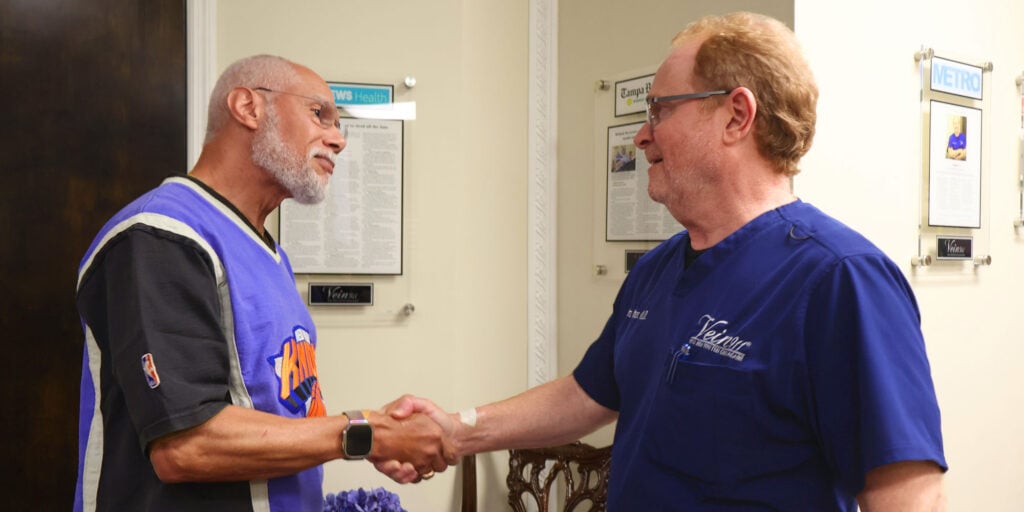
First, We Listen. Then We Look Beneath the Surface.
Your visit begins with a conversation about your symptoms, medical history, daily activities, and goals. If your doctor determines that imaging is appropriate, a duplex ultrasound can help evaluate how blood is moving through your veins.
- One-on-one evaluation with a vein specialist
- Noninvasive duplex ultrasound when clinically indicated
- Clear explanation of your findings and options
- A personalized next-step plan without pressure
Your 3-Step Plan to Feel Great Again
Schedule Your Evaluation
Get Clear Answers and a Personalized Plan
Treat the Source and Get Back to Life
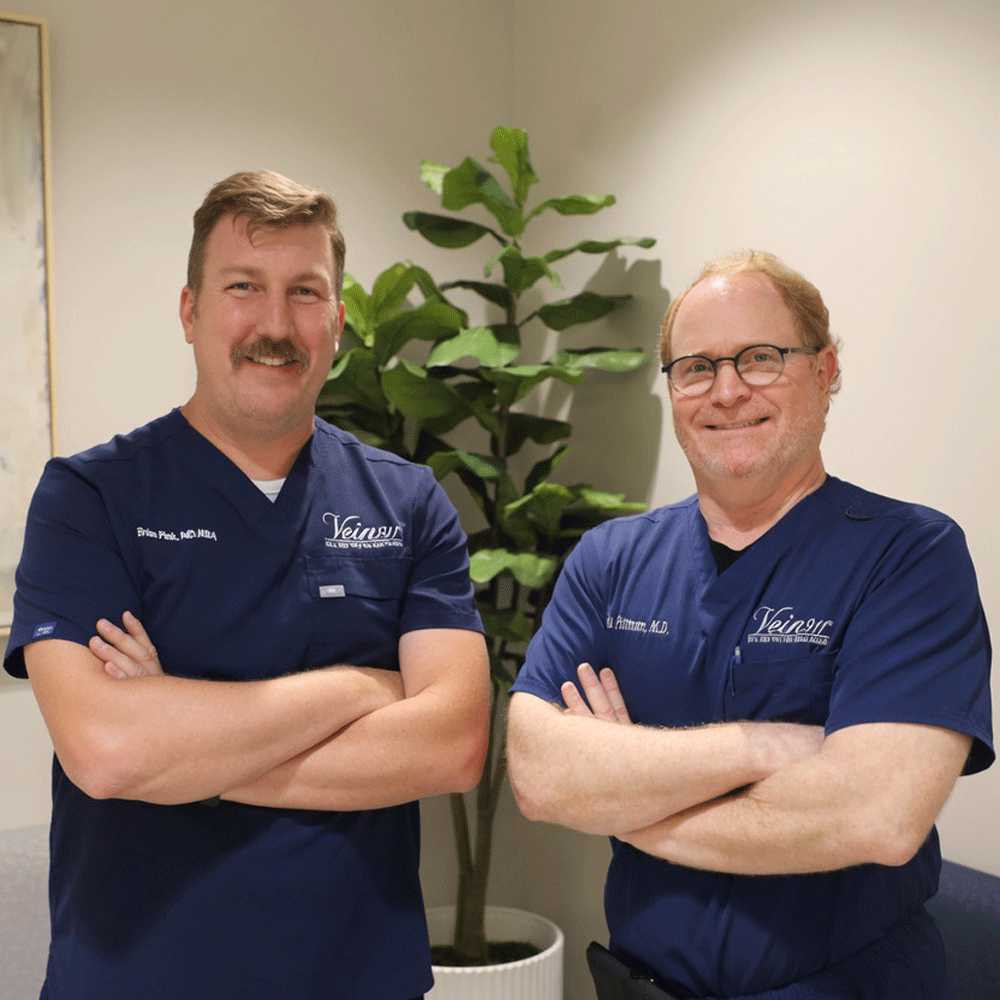
You Do Not Need to Become a Vein Expert. You Just Need the Right Guide.
Vein911 makes vein care clear, personal, and straightforward—from your first call through evaluation, insurance verification, treatment, and follow-up.
Specialized Vein Expertise
Care focused on venous disease, patient education, and clinical research.
Minimally Invasive Options
Modern, office-based treatment options tailored to the source of your problem and your goals.
Clear Insurance and Cost Guidance
We verify your benefits and explain expected costs before treatment decisions are made.
Friends Don’t Let Friends Get Vein Surgery.®
Vein911 specializes in modern, minimally invasive alternatives when they are clinically appropriate.
Can men have vein disease without visible varicose veins?
Yes. Aching, heaviness, swelling, cramping, itching, restless legs, or ankle changes can occur even when no large veins are visible. A doctor evaluation can determine whether vein dysfunction may be contributing.
Can swollen ankles be caused by vein disease?
Yes, but ankle or leg swelling can have several possible causes. Persistent, recurring, or worsening swelling should be evaluated. Sudden one-sided swelling, severe calf pain, chest pain, or shortness of breath requires urgent medical attention.
Can vein disease cause skin discoloration?
Vein problems may contribute to brown, red, or purple discoloration around the ankles and lower legs. Any progressive skin change should be medically evaluated.
What is a venous leg ulcer?
A venous leg ulcer is an open or recurring wound, usually near the ankle, that can develop when long-standing pressure in the veins damages the surrounding skin. Both the wound and its underlying cause need evaluation.
Will I need surgery?
Not necessarily. Vein911 offers minimally invasive, office-based treatment options. Your doctor will recommend care based on your examination, imaging, overall health, and goals.
Is vein treatment painful?
Comfort varies by procedure and patient. Vein911 uses minimally invasive techniques and will explain what you may feel, how discomfort is managed, and what to expect during recovery.
Does insurance cover vein treatment?
Many insurance plans provide benefits for medically necessary vein evaluation and treatment, but coverage depends on the individual plan and clinical criteria. Vein911 verifies benefits and explains expected costs before treatment.
Men's Vein Disease Questions
Answers to common questions men ask about vein disease and treatment.
Do Not Let Your Legs Set the Limits
Whether you want to work without aching, sleep without cramps, walk farther, play golf, travel, exercise, or keep up with your family, the first step is getting clear answers.
- Same/Next-Day Appointments
- Most Major Insurances
- We’ll Help You Feel Great Again.®