

Lipedema Treatment in Tampa, FL
Understand the condition. Get real answers.
Expert diagnosis and coordinated care for lipedema—a commonly missed, often misunderstood disease.
What Is Lipedema?
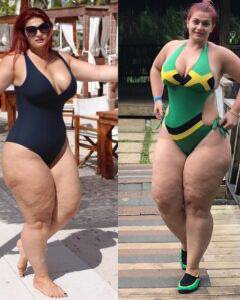
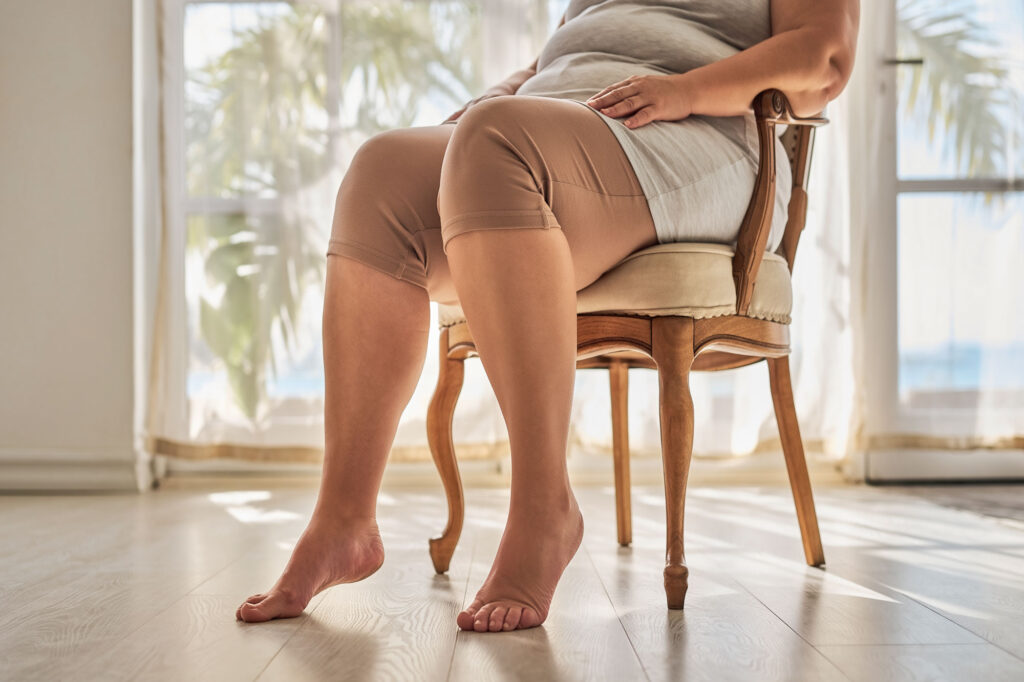
Lipedema is an underdiagnosed disorder of subcutaneous fat that affects an estimated 10% of women. It causes a disproportionate buildup of fatty tissue, most commonly in the buttocks, hips, thighs, and lower legs, and in about 80% of cases, the arms.
Unlike lifestyle-related obesity, lipedema spares the head, neck, chest, waist, hands, and feet. Individuals with lipedema often have a smaller upper body and enlarged lower body that does not respond to diet, exercise, or even bariatric surgery.


Key Characteristics of Lipedema
People with lipedema commonly experience:
- Genetic predisposition, inherited in an autosomal dominant pattern affecting women
- Hormonal triggers, often beginning at puberty and worsening with pregnancy or menopause
- Progression with age, sometimes alongside obesity
- Symmetrical fat distribution, despite upper/lower body imbalance
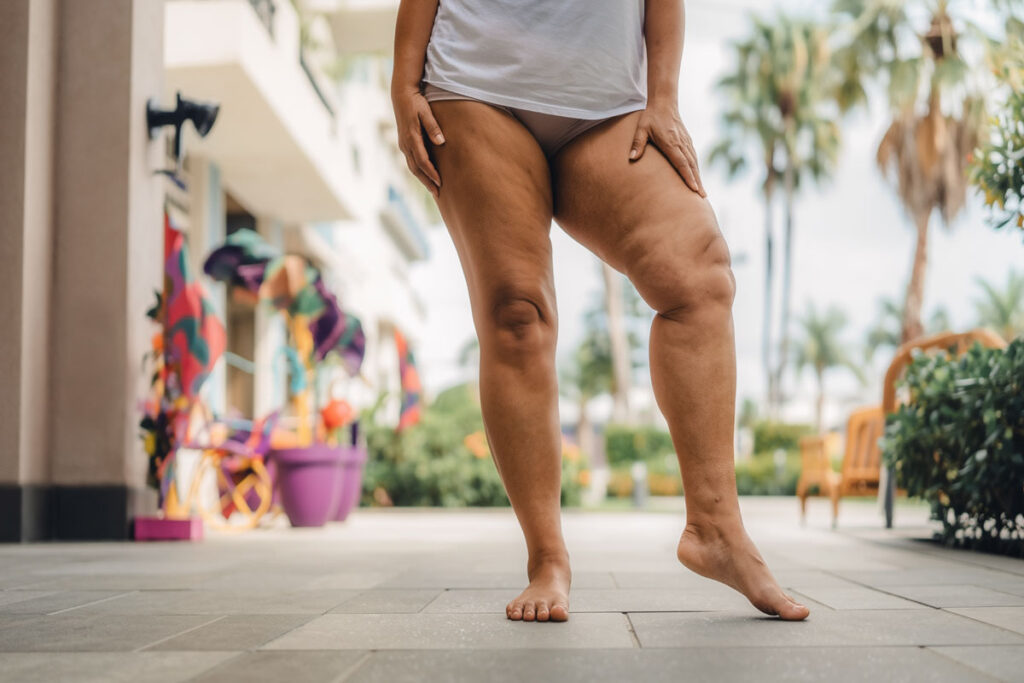
- Fatty cuffs or bulges around ankles, knees, elbows, or wrists
- Pain, tenderness, or sensitivity in affected areas
- Easy bruising, possibly related to microvascular changes
- Heaviness without foot or hand swelling
- Fibrosis, making fat resistant to weight loss
- Psychosocial impact, including anxiety, depression, and reduced social activity
Other Conditions Commonly Associated with Lipedema
Lipedema frequently coexists with other medical conditions, including:
- Joint hypermobility and joint pain
- Knee valgus (knock-knees) and ankle pronation (flat feet)
- Early arthritis, sometimes leading to joint replacement
- Lymphedema, especially in later stages (lipolymphedema)
- Muscle weakness
- Venous disease, which studies show commonly overlaps with lipedema
Treatment Options for Lipedema
Conservative Management
While lipedema cannot be cured, symptoms and progression can often be managed with a combination of therapies.
Diet
- Emphasis on reducing processed carbohydrates
- Mediterranean or ketogenic-style diets are commonly recommended
Exercise
- Low-impact movement such as walking, swimming, vibration therapy, or exercise while wearing compression
Compression Garments
- Reduce pain and improve fluid flow
- Lower compression levels (8–15 or 15–25 mmHg) may be appropriate
- Class I compression (20–30 mmHg) used if venous disease or pitting edema is present
- Layering garments and treating the abdomen is often helpful
Sequential Pneumatic Compression Pumps
- May reduce pain and improve tissue flow
- Garments should be worn after pump use
- Advanced systems may treat legs and abdomen simultaneously
Manual Lymphatic Drainage (MLD)
- Can help with unbound fluid
- Deeper techniques may be required for fibrotic tissue
- Performed by certified lymphedema therapists (PT, OT, or LMT)
Treatment of Venous Insufficiency
- Treating coexisting vein disease may help slow progression over time
Supplements and Medications
Supplements
- There are no supplements proven to treat lipedema, but some patients report symptom relief with:
- Diosmin (Vasculera®) – may reduce inflammation and leg heaviness
- Curcumin (Meriva®) – anti-inflammatory support
Medications
- No medications specifically treat lipedema, but in select cases:
- Metformin may help reduce inflammation and fibrosis
- Sympathomimetic amines (e.g., phentermine) may support fat reduction and lymphatic flow
Medications to Avoid
- Drugs that cause edema (e.g., gabapentin, amlodipine)
- Diuretics, which can worsen protein-rich fluid accumulation
Surgical Options for Lipedema
When conservative therapy fails, lipedema reduction surgery may be considered. This is typically performed using:
- Tumescent liposuction
- Water-assisted liposuction (WAL)
It is critical to choose surgeons experienced specifically in lipedema, not just cosmetic liposuction. Some insurance plans are now beginning to cover lipedema surgery.
Vein911® Vein Treatment Centers specialists can provide referrals to the most experienced lipedema surgeons in the U.S. and Europe when appropriate.
Stages of Lipedema
Stage I
- Smooth skin with enlarged subcutaneous fat
- Swelling worsens during the day, improves with rest
- Responds well to treatment
Stage II
- Irregular skin texture (“mattress” appearance)
- Lipomas may develop
- Swelling less responsive to rest
Stage III
- Hardened connective tissue and deforming fat deposits
- Persistent swelling
- Overhanging skin and fat
Stage IV (Lipolymphedema)
- Fibrosis with secondary lymphedema
- Chronic swelling and stiffness
- Large overhanging tissue masses
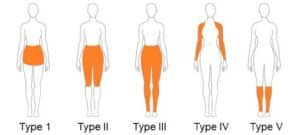
Anatomical Locations of Lipedema Fat Distribution Are Described as Types
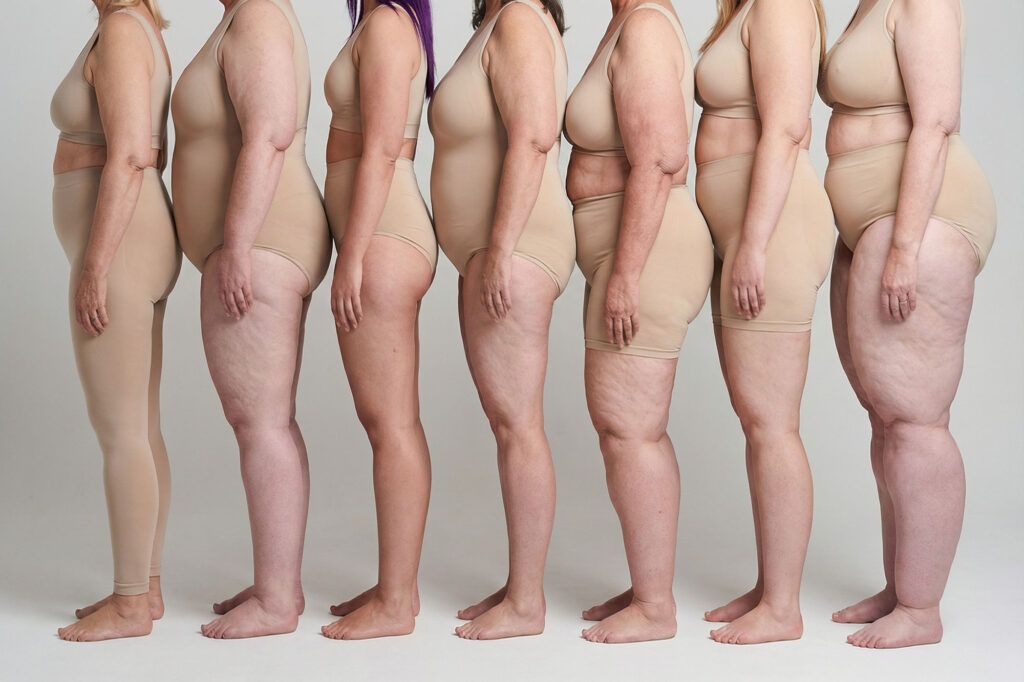
Lipedema fat is classified by anatomical location, and every lipedema patient falls into one or more Types (I–V) based on where abnormal fat accumulates.
These types describe distribution patterns, not disease severity, and many patients present with overlapping types rather than a single category.
For example, a patient may have lipedema affecting both the hips and thighs (Type III) as well as the lower legs (Type IV), reflecting how the condition commonly progresses or appears across multiple body regions.

Why Choose Vein911® for Lipedema Treatment
At Vein911® Vein Treatment Centers, we deliver award-winning, non-surgical vein care rooted in expertise, innovation, and compassion. Led by Dr. Chris Pittman—four-time Tampa Magazine Top Doctor (2022–2025)—our team is dedicated exclusively to vein health.
Patients trust Vein911® Vein Treatment Centers because we combine advanced medical care with genuine human connection. From busy professionals to athletes and caregivers, we treat every patient like a friend and focus on helping you feel great again.
Expert Lipedema Care in Tampa, FL
If you believe you may have lipedema, early diagnosis matters. Vein911® Vein Treatment Centers are experts in recognizing lipedema and coordinating comprehensive care—including referrals to leading lipedema surgeons when indicated.
Call (813) 544-8715 today to schedule your personalized consultation at Vein911® Vein Treatment Centers.