

Leg Cramp Treatment in Tampa, FL
Restful nights. Stronger legs.
Identify and treat the underlying causes of painful leg cramps—often linked to vein disease.
Learn About Leg Cramps
Leg cramps can strike without warning and are especially common at night. Many people are jolted awake by sudden, intense tightening in the calf or hamstring muscles, disrupting sleep and leaving lingering soreness.
While occasional cramps can happen to anyone, frequent or severe leg cramps are often linked to underlying medical conditions—including vein disease. Understanding why your leg cramps are happening is the first step toward lasting relief.
- See A Real Patient's Leg Cramp Recovery Story
Symptoms of Leg Cramps
A leg cramp occurs when a muscle—most commonly in the calf or hamstring—contracts suddenly and involuntarily. This contraction can cause sharp, intense pain and may even be visible as a hardened lump beneath the skin.
After the cramp subsides, the affected muscle often remains tender or sore. Pain can last anywhere from a few seconds to several minutes, depending on the severity and underlying cause.
What Causes Leg Cramps
Leg cramps can develop for simple reasons such as muscle overuse, dehydration, or electrolyte imbalances—including low magnesium levels. Sitting for long periods, like during travel, can also trigger cramping.
Certain medical conditions increase the likelihood of leg cramps. Vein disease is a common and often overlooked contributor. When blood flow is restricted, muscles may not receive enough oxygen-rich blood, causing them to cramp—especially during physical activity.
Varicose veins, caused by weakened vein valves, can further disrupt circulation. Though often dismissed as cosmetic, varicose veins frequently cause symptoms such as aching, burning, throbbing, itching, and nighttime leg cramps.
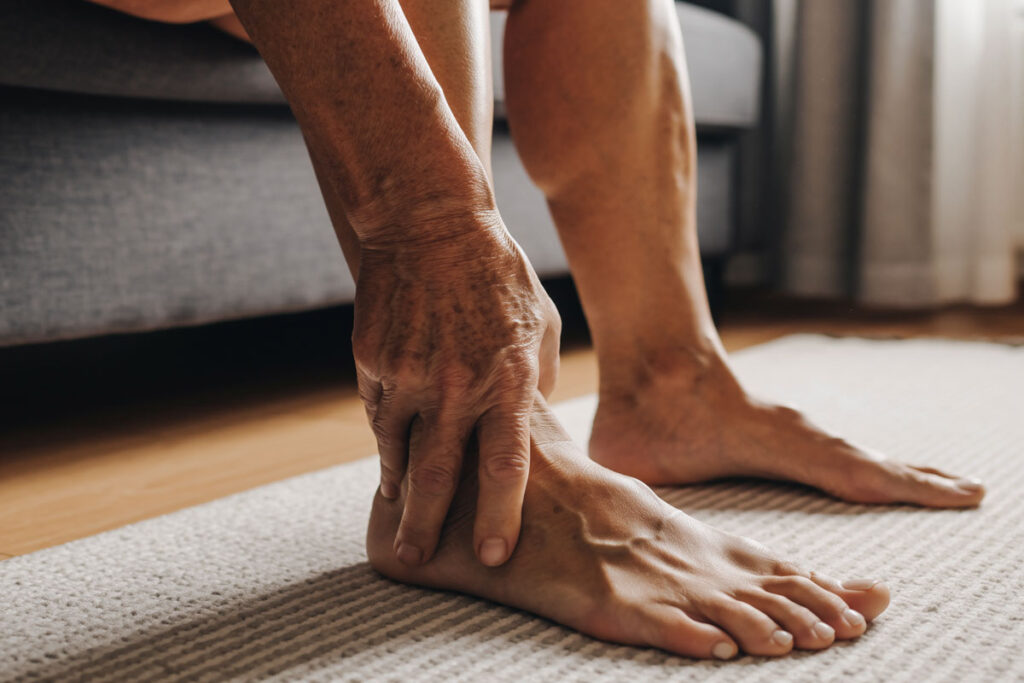
Treating Leg Cramps
The best treatment for leg cramps starts with identifying the cause. Occasional cramps may improve with stretching, hydration, or warm baths. However, frequent or worsening cramps usually require medical evaluation.
When leg cramps are linked to vein disease, addressing the underlying vein problem is key. A vein specialist can evaluate circulation, identify valve dysfunction, and recommend treatments that provide long-term relief—not just temporary symptom control.
Signs Your Leg Cramps Are From Vein Disease
You may be experiencing vein-related leg cramps if you notice:
- Cramps that occur at night, especially when lying down
- A heavy, achy, or throbbing feeling in your legs during the day
- Visible veins, including varicose or spider veins
- Skin changes, such as discoloration, dryness, or itchiness
- Swelling around the ankles or lower legs
- Restless legs or discomfort that improves with movement
- Cramps triggered by prolonged sitting or standing
If your cramps feel deep, persistent, or are accompanied by these symptoms, vein disease may be the root cause.
Diagnosing the Cause of Leg Cramps
A vein specialist can determine whether vein disease is contributing to your leg cramps through a comprehensive evaluation that includes: A vein specialist can determine whether vein disease is contributing to your leg cramps through a comprehensive evaluation that includes:
- Medical history review to understand symptoms and risk factors
- Physical examination for visible veins, swelling, or tenderness
- Venous ultrasound, a painless, noninvasive test that evaluates blood flow and valve function
- Assessment of other causes, such as muscle strain, dehydration, nerve issues, or mineral deficiencies

Treatments That Target Vein-Related Leg Cramps
When vein disease is the cause, treating the damaged veins—not just the cramps—provides the most effective relief. Minimally invasive options may include:
- Sclerotherapy to close problem veins and reroute blood flow
- Endovenous laser or radiofrequency ablation to seal faulty veins
- VenaSeal™ Closure System, which closes veins without heat
- Ultrasound-guided treatments for precision in deeper veins
Most patients experience symptom improvement quickly, with little to no downtime.
Lifestyle Changes That Can Help Leg Cramps
In addition to medical treatment, healthy daily habits can support circulation and reduce cramping:
- Stay active with walking, cycling, or swimming
- Avoid prolonged sitting or standing by moving every 30–60 minutes
- Wear compression stockings as recommended
- Elevate your legs to reduce pressure and swelling
- Stay hydrated to support muscle and vein health
- Maintain a healthy weight to reduce strain on leg veins

Why Choose Vein911® Vein Treatment Centers for Leg Cramps
At Vein911® Vein Treatment Centers, we deliver award-winning, non-surgical vein care rooted in expertise, innovation, and compassion. Led by Dr. Chris Pittman—four-time Tampa Magazine Top Doctor (2022–2025)—our team is dedicated exclusively to vein health.
Patients trust Vein911® because we combine advanced medical care with genuine human connection. From busy professionals to athletes and caregivers, we treat every patient like a friend and focus on helping you feel great again.
Restore Comfort by Treating Vein Conditions Causing Leg Cramps in Tampa, FL
Leg cramps don’t have to control your nights—or your life. If vein disease is the cause, effective treatment can bring lasting relief.
Call (813) 544-8715 today to schedule your personalized consultation at Vein911® Vein Treatment Centers.